@home$
Systems, code, and things worth understanding.
很惭愧,就做了一点微小的工作。
Contributed to some open source projects, including:
go-mysql-driver/mysql gogf/gf fastclaw-ai/weclaw tw93/Kaku
Worked on some company projects, including:
incident.woa.com mdb.woa.com dbmanager.woa.com/api dba.baidu.com/mis
灵茶山艾府:基础算法笔记
零、内容
https://github.com/EndlessCheng/codeforces-go/blob/master/leetcode/README.md
一、相向双指针
两数之和2-输入为有序数组
- 题目背景:在一个有序数组中,找到两个数,使它们的和等于目标值。
- 核心算法:使用“相向双指针”技巧。左指针从头,右指针从尾,根据当前和与目标值的关系移动指针,时间复杂度为 O(n)。
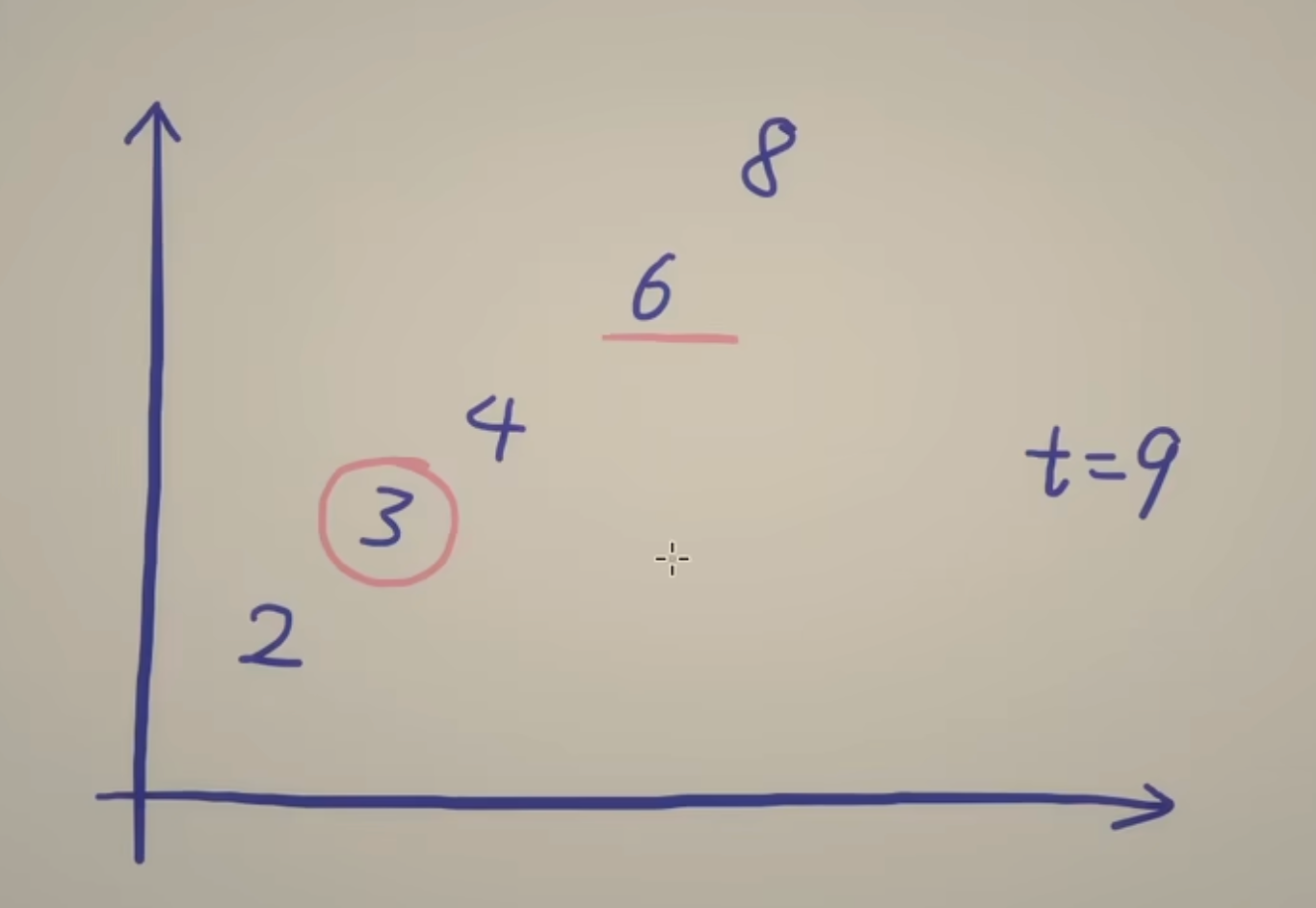
- 随便找两个数组 eg 3 & 8,
- 3+8 = 11 > 9
- 那么3和 3 - 8 中间的数加起来也大于 11 (同样大于9)
- 那么把 8 去掉(右指针向前移动 )
- 或者
- 2+6 = 8 < 9
- 那么2 和 2-6 中间的数加起来也都小于 8 (同样小于9)
- 那么把2 去掉(左指针向后移动)
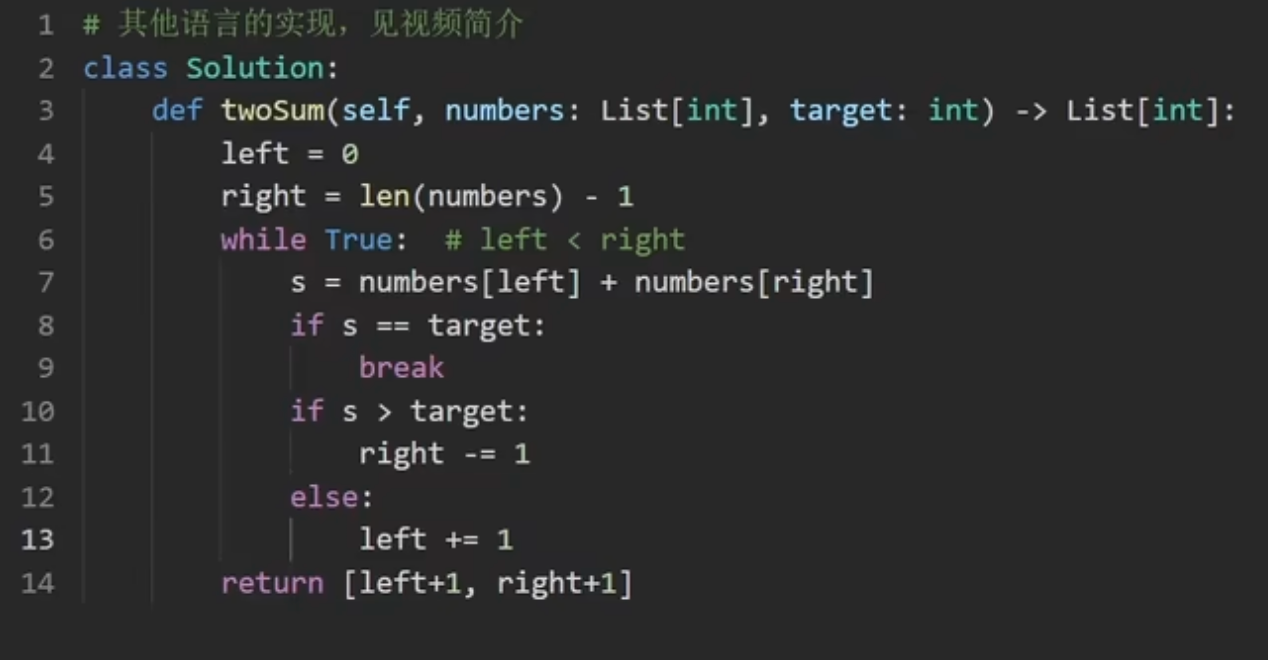
TODO
func twoSum(numbers []int, target int) []int {
    left, right := 0, len(numbers)-1
    for {
        s := numbers[left] + numbers[right]
        if s == target {
            return []int{left + 1, right + 1} // 题目要求下标从 1 开始
        }
        if s > target {
            right--
        } else {
            left++
        }
    }
}
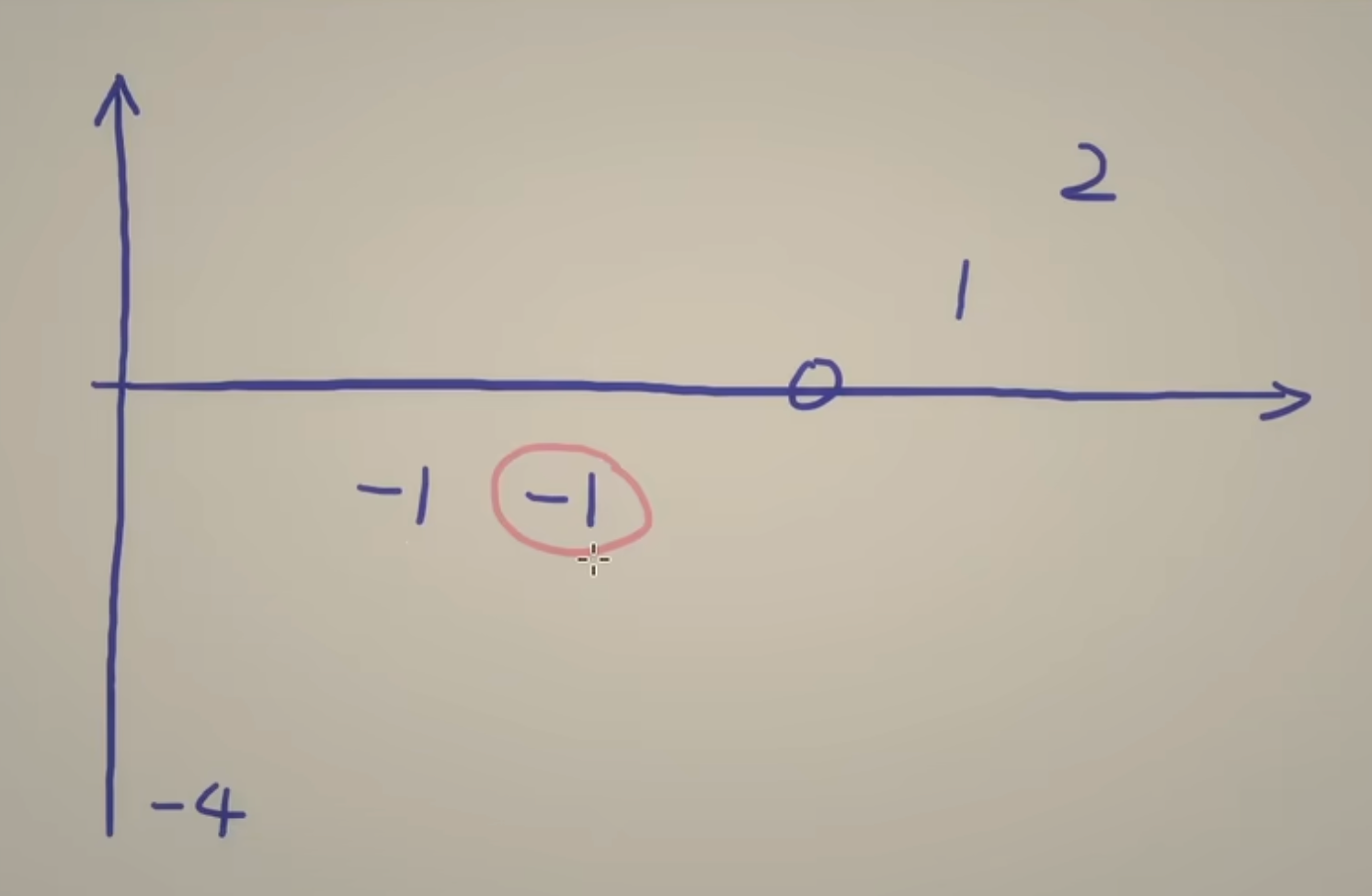
三数之和
- 题目背景:在一个数组中,找到所有和为 0 的三元组。
- 核心算法:先对数组排序,然后固定一个数,剩下的用双指针法寻找另外两个数。注意去重处理,避免重复三元组,时间复杂度为 O(n²)。
Go GMP 调度模型
G M P 模型
一句话:调度器调度任务队列、P在M上运行去执行G
两个任务队列 - 全局任务队列 - P本地队列 调度器
总览
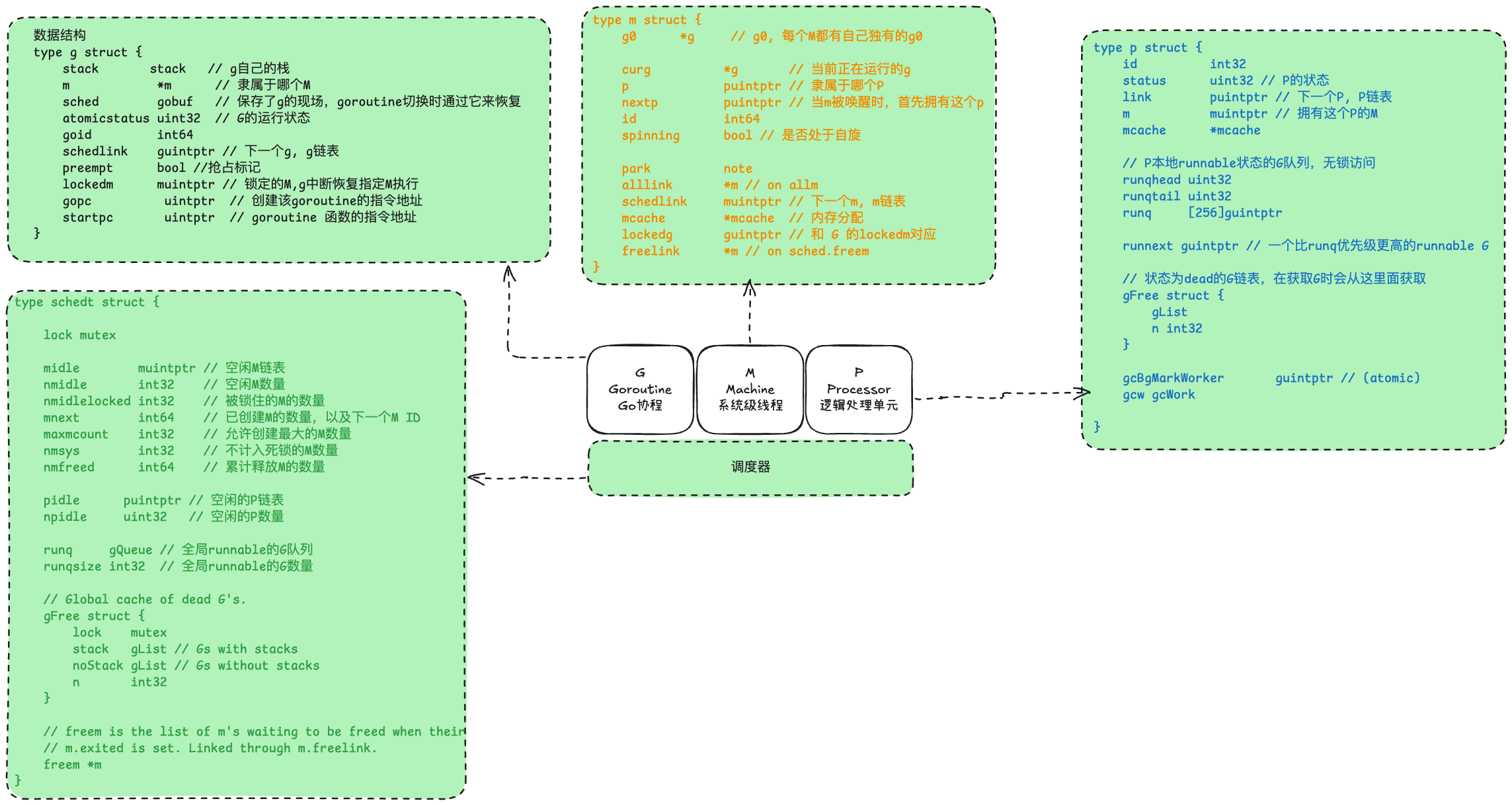
1、我们通过 go func () 来创建一个 goroutine;
2、有两个存储 G 的队列,一个是局部调度器 P 的本地队列、一个是全局 G 队列。新创建的 G 会先保存在 P 的本地队列中,如果 P 的本地队列已经满了就会保存在全局的队列中;
3、G 只能运行在 M 中,一个 M 必须持有一个 P,M 与 P 是 1:1 的关系。M 会从 P 的本地队列弹出一个可执行状态的 G 来执行,如果 P 的本地队列为空,就会向其他的 MP 组合偷取一个可执行的 G 来执行;
4、一个 M 调度 G 执行的过程是一个循环机制;
5、当 M 执行某一个 G 时候如果发生了 syscall 或则其余阻塞操作,M 会阻塞,如果当前有一些 G 在执行,runtime 会把这个线程 M 从 P 中摘除 (detach),然后再创建一个新的操作系统的线程 (如果有空闲的线程可用就复用空闲线程) 来服务于这个 P;
…Go heap 包笔记
// The Interface type describes the requirements
// for a type using the routines in this package.
// Any type that implements it may be used as a
// min-heap with the following invariants (established after
// [Init] has been called or if the data is empty or sorted):
//
//	!h.Less(j, i) for 0 <= i < h.Len() and 2*i+1 <= j <= 2*i+2 and j < h.Len()
//
// Note that [Push] and [Pop] in this interface are for package heap's
// implementation to call. To add and remove things from the heap,
// use [heap.Push] and [heap.Pop].
type Interface interface {
	sort.Interface
	Push(x any) // add x as element Len()
	Pop() any   // remove and return element Len() - 1.
}
初始化一个堆
…MySQL InnoDB MVCC 原理
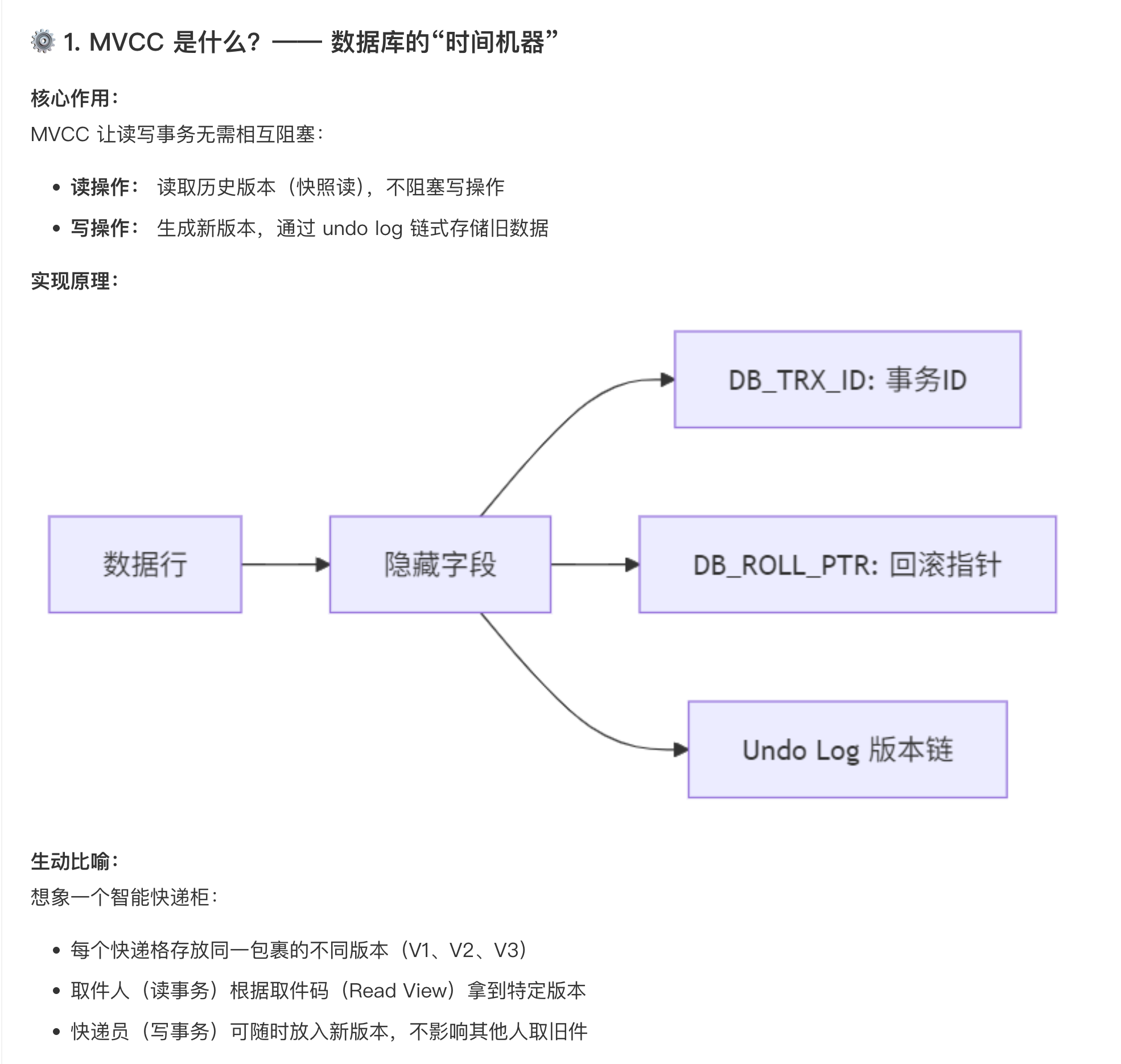
MVCC(多版本并发控制) 是一种数据库并发控制机制,用于管理多个事务并发操作时,确保事务的 隔离性 和 一致性。在 MySQL InnoDB 存储引擎中,MVCC 是实现 事务隔离 和 高并发 数据访问的关键技术之一。MVCC 允许多个事务在 不冲突 的情况下并发执行,同时保证每个事务的 数据一致性。
1. MVCC 的工作原理
MVCC 通过 维护数据的多个版本 来实现高并发控制,而不是像传统的锁机制那样阻塞事务,MVCC 通过给每个事务分配 快照 来实现并发读写。
1.1. 事务的隔离性
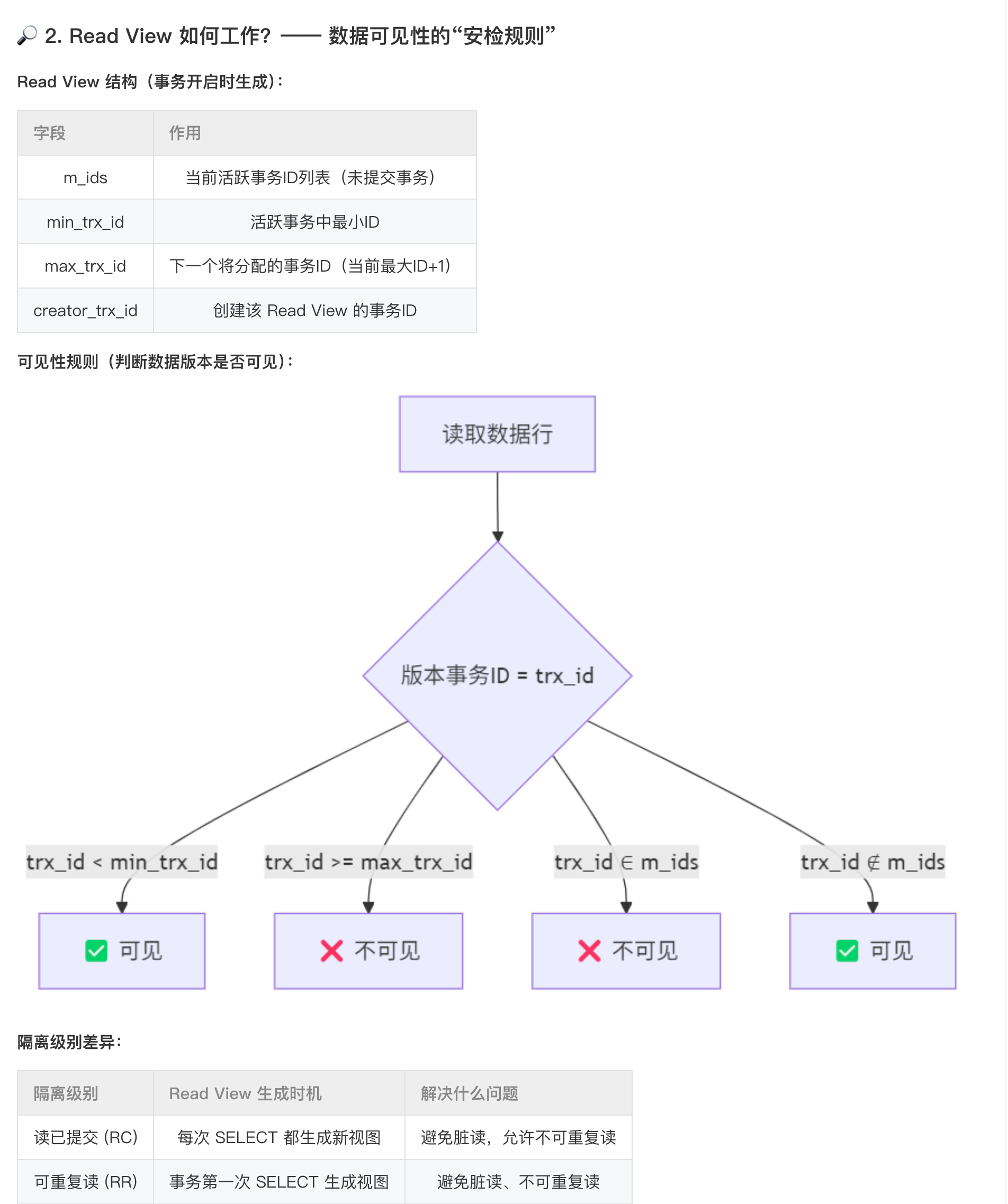
在 MVCC 中,每个事务都有一个 独立的视图(Read View),它表示当前事务看到的数据版本。这确保了不同的事务可以并发执行,但又不互相影响,避免了 脏读、不可重复读 和 幻读 问题。
1.2. 如何维护多个版本的记录
InnoDB 会为每个数据行维护多个版本,这些版本用于支持多个事务并发执行。每个修改操作会创建数据的一个新的版本。
每个版本的数据行都会包含 事务 ID 和 回滚标识(Undo Log),这些信息有助于数据库确定该数据是否对当前事务可见。
例如,在更新操作时,更新前的版本 保留在 Undo Log 中,而新的版本会出现在 数据表中。
2. Read View 在 MVCC 中如何工作
Read View 是 MySQL 在 MVCC 中实现隔离性的关键概念。当一个事务需要读取数据时,数据库会为该事务创建一个 Read View,并根据该视图决定事务能够看到哪些数据。
…gh-ost 源码阅读
地址:
目录结构
├── base
│   ├── context_test.go
│   ├── context.go
│   ├── default_logger.go
│   ├── load_map_test.go
│   ├── load_map.go
│   ├── utils_test.go
│   └── utils.go
├── binlog
│   ├── binlog_dml_event.go
│   ├── binlog_entry.go
│   ├── binlog_reader.go
│   ├── gomysql_reader.go
│   └── testdata
│       ├── mysql-bin.000066
│       ├── mysql-bin.000070
│       ├── rbr-sample-0.txt
│       ├── rbr-sample-1.txt
│       └── rbr-sample-2.txt
├── cmd
│   └── gh-ost
│       └── main.go
├── logic
│   ├── applier_test.go
│   ├── applier.go
│   ├── hooks_test.go
│   ├── hooks.go
│   ├── inspect_test.go
│   ├── inspect.go
│   ├── migrator_test.go
│   ├── migrator.go
│   ├── server_test.go
│   ├── server.go
│   ├── streamer_test.go
│   ├── streamer.go
│   ├── test_utils.go
│   └── throttler.go
├── mysql
│   ├── binlog_test.go
│   ├── binlog.go
│   ├── connection_test.go
│   ├── connection.go
│   ├── instance_key_map.go
│   ├── instance_key_test.go
│   ├── instance_key.go
│   ├── replica_terminology_map.go
│   └── utils.go
└── sql
    ├── builder_test.go
    ├── builder.go
    ├── encoding.go
    ├── parser_test.go
    ├── parser.go
    ├── types_test.go
    └── types.go

9 directories, 47 files
入口 cmd/gh-ost/main.go
Go GC 原理与观测
1. 什么是GC
GC,全称 Garbage Collection,即垃圾回收,是一种自动内存管理的机制。
2. 为什么GC
程序向操作系统申请的内存不再需要时
3. 怎么GC
- 赋值器(Mutator):用户代码,负责修改对象引用关系。
- 回收器(Collector):负责标记和回收无用内存。
4. GC 可观测
GODEBUG=gctrace=1
debug.ReadGCStats
runtime.ReadMemStats
5. 为什么会出现内存泄漏
-  预期能被快速释放的内存因被根对象引用而没有得到迅速释放
		 - 指针
		 - 全局变量
 - Goroutine 泄漏
 Goroutine 作为一种逻辑上理解的轻量级线程,需要维护执行用户代码的上下文信息。在运行过程中也需要消耗一定的内存来保存这类信息,而这些内存在目前版本的 Go 中是不会被释放的。因此,如果一个程序持续不断地产生新的 goroutine、且不结束已经创建的 goroutine 并复用这部分内存,就会造成内存泄漏的现象.
 eg: 曾经项目中遇到的,mock了一个链接,忘记关闭
// FillArgsInSQL 使用 mock db 将参数填回 SQL
func FillArgsInSQL(sql string, args ...any) string {
	db, _, _ := sqlmock.New()
	defer db.Close() // <——  如果没关闭
	gormDB, _ := gorm.Open(
		mysql.New(mysql.Config{
			Conn: db,   // Existing mock database connection
			SkipInitializeWithVersion: true, // 跳过 SELECT VERSION() 检查
		}),
		&gorm.Config{DryRun: true})
	sqlStmt := gormDB.ToSQL(func(tx *gorm.DB) *gorm.DB {
		return tx.Raw(sql, JsonToBasicType(args)...)
	})
	return sqlStmt
}
6. 常见的垃圾回收方法
所有的 GC 算法其存在形式可以归结为追踪(Tracing)和引用计数(Reference Counting)这两种形式的混合运用。 目前比较常见的 GC 实现方式包括:
…Go sort 包笔记
Read more ⟶
Go 中 exec.Command 与 os.StartProcess 的区别
exec.Command 与 os.StartProcess 有什么不一样
这是一个非常经典的问题:exec.Command 和 os.StartProcess 都可以启动新进程,但功能和易用性完全不同。我给你详细拆解一下:
1.
os.StartProcess
特点
- Go 最底层的 进程创建 API,是对系统调用 fork + exec(类 Unix)或 CreateProcess(Windows)的直接封装。
- 调用麻烦,需要手动准备命令参数、环境变量、标准输入输出、文件描述符等。
- 返回 *os.Process,只能用它做简单的进程管理(等待、杀死)。
用法示例
package main

import (
	"os"
	"syscall"
)

func main() {
	// argv 必须是完整路径 + 参数数组
	procAttr := &os.ProcAttr{
		Dir:   "",
		Env:   os.Environ(),
		Files: []*os.File{os.Stdin, os.Stdout, os.Stderr}, // 指定标准IO
		Sys:   &syscall.SysProcAttr{},
	}

	process, err := os.StartProcess("/bin/ls", []string{"ls", "-l"}, procAttr)
	if err != nil {
		panic(err)
	}
	process.Wait()
}
👉 缺点:调用复杂,几乎不做封装。
…Go 1.23 迭代器原理
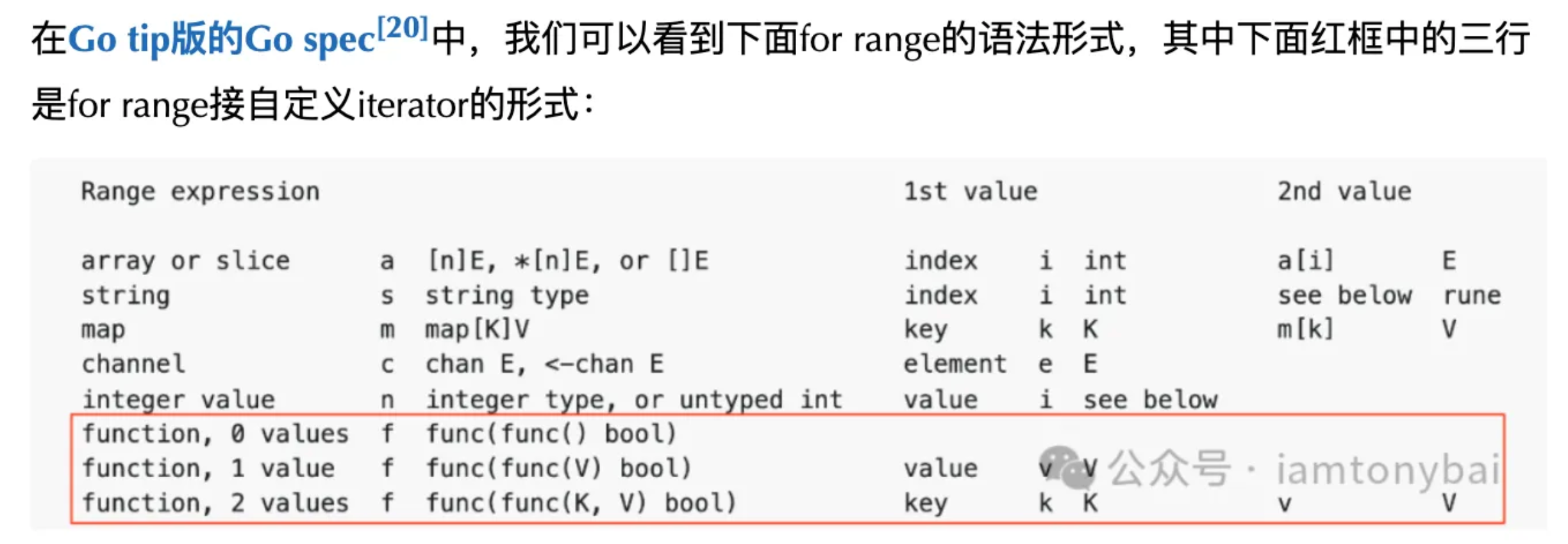
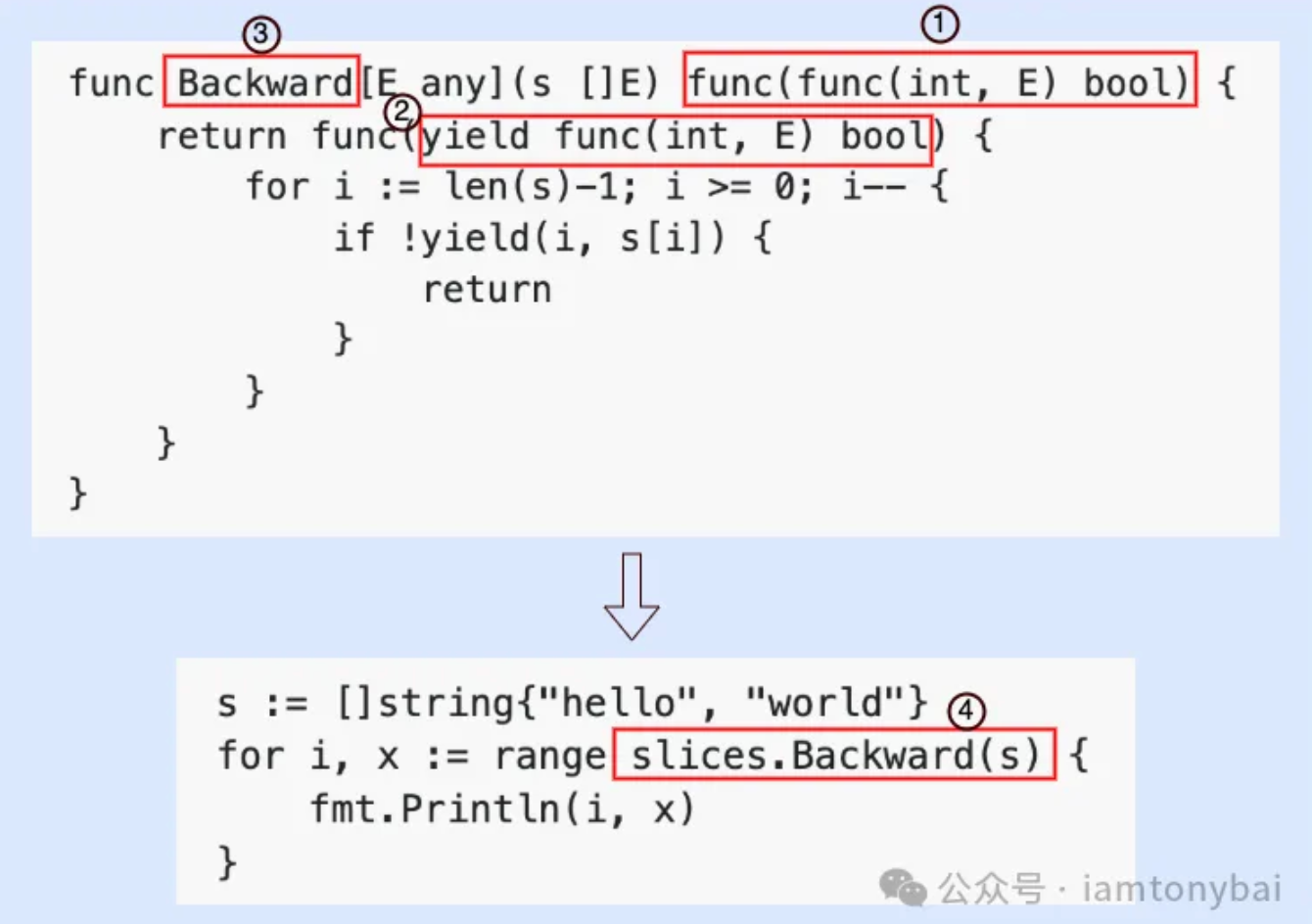
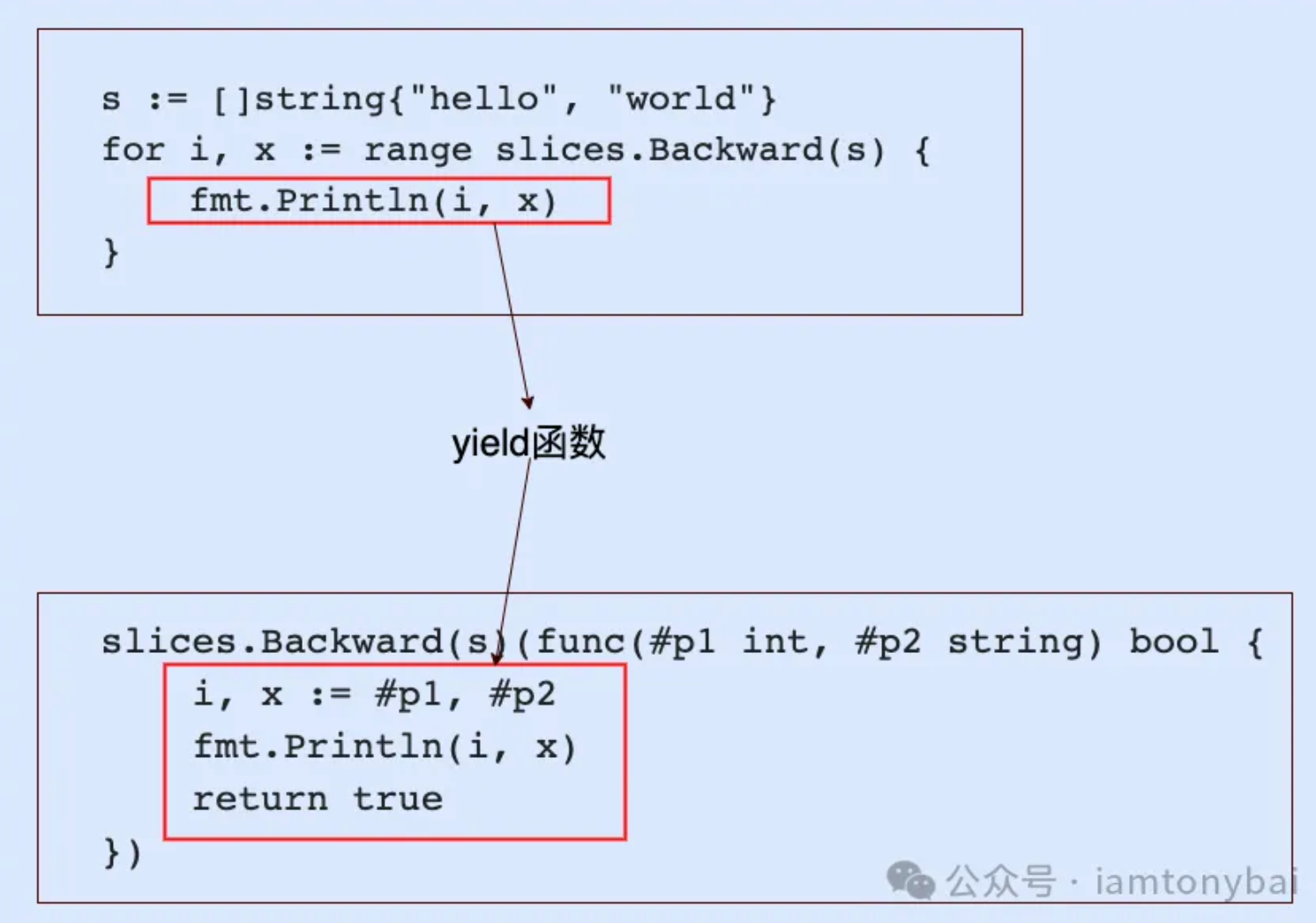
也就是说只有符合上述函数签名的函数类型才是可以被for range支持的iterator。即所谓自定义iterator,本质上就是一个接受一个函数类型参数的函数(如上图中红框①),按惯例,这个函数类型的参数被命名为yield(见红框②)。从Backward函数的返回值(一个iterator)的实现来看,当yield函数返回false时,迭代结束;否则迭代继续进行,直到集合类型(如slice)中所有元素都被遍历完。
其实,for range+自定义iterator可以看成是Go提供的又一个“语法糖”,它是通过Go编译器在编译阶段的代码转换来实现的。下面我们还基于Backward那个例子来看看这个转换过程:
Go pprof 性能分析
https://www.liwenzhou.com/posts/Go/pprof/
四个方面
- CPU profile:报告程序的 CPU 使用情况,按照一定频率去采集应用程序在 CPU 和寄存器上面的数据
- Memory profile(Heap Profile:内存使用情况
- Block profiling:goroutine 不在运行的状态,可以用来分析和查找死锁等性能瓶颈
- Goroutine profiling:goroutines的使用情况,以及调用关系
Go语言内置了获取程序的运行数据的工具,包括以下两个标准库:
runtime/pprof:采集工具型应用运行数据进行分析net/http/pprof:采集服务型应用运行时数据进行分析
CPU的采集
pprof.StartCPUProfile(w io.Writer)
pprof.StopCPUProfile()
得到采样数据之后,使用go tool pprof工具进行内存性能分析。
内存
pprof.WriteHeapProfile(w io.Writer)
go tool pprof默认是使用-inuse_space进行统计,还可以使用-inuse-objects查看分配对象的数量。
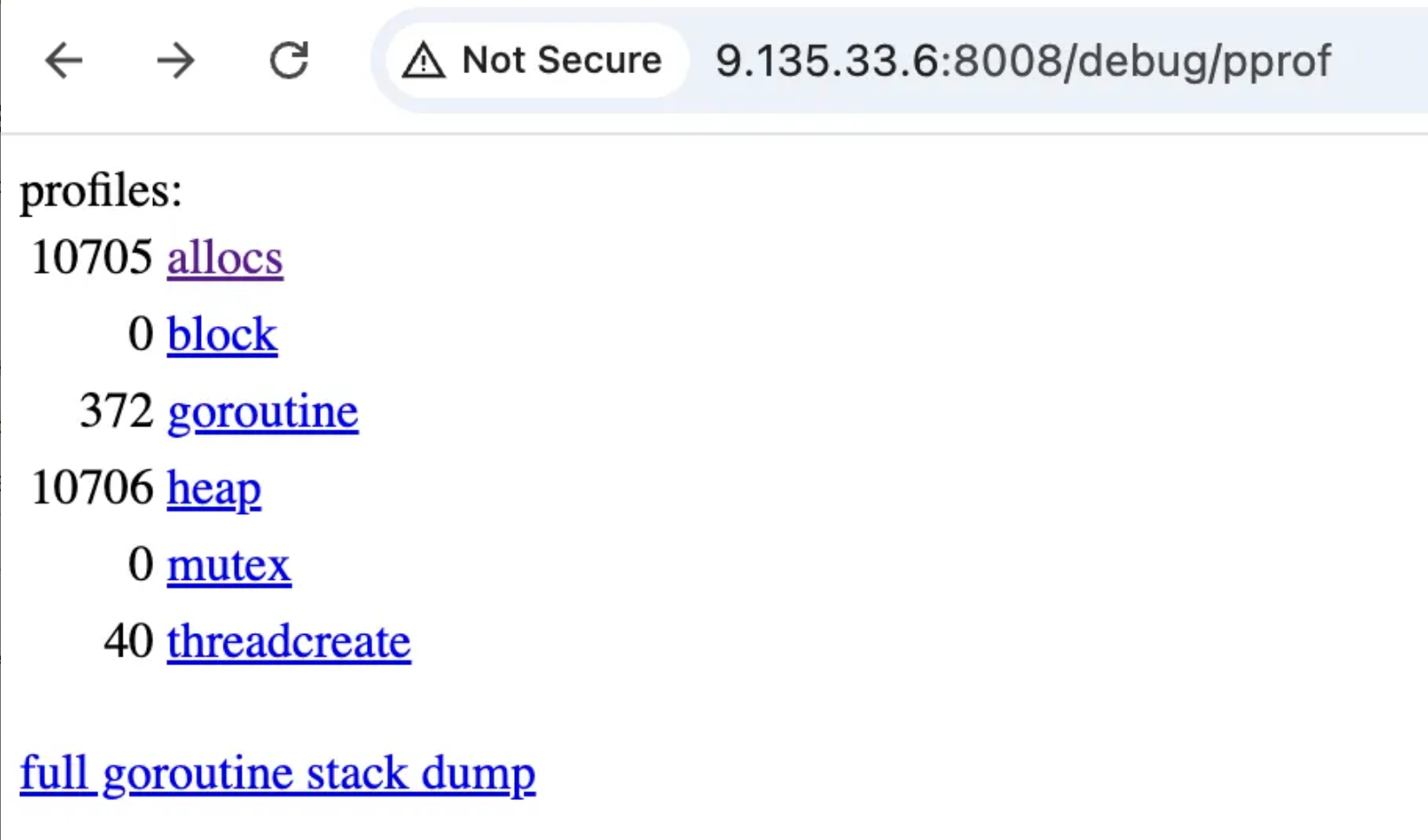
import _ “net/http/pprof”
你的 HTTP 服务都会多出/debug/pprof endpoint
(pprof) top3
Showing nodes accounting for 100.37s, 87.68% of 114.47s total
Dropped 17 nodes (cum <= 0.57s)
Showing top 3 nodes out of 4
      flat  flat%   sum%        cum   cum%
    42.52s 37.15% 37.15%     91.73s 80.13%  runtime.selectnbrecv
    35.21s 30.76% 67.90%     39.49s 34.50%  runtime.chanrecv
    22.64s 19.78% 87.68%    114.37s 99.91%  main.logicCode
其中:
…